
人民日報筆下的桑給巴爾革命以及中非團結
The Zanzibar Revolution depicted in The People's Daily and China-African solidarity
Read the original publication on the ICLP E-Newsletter (电子报) here.
中非人民團結關係的背景
現在,很多西方人以為中國是一下子就進入非洲進行貿易的,實際上並非如此。近代的中非關係可以從冷戰時期開始講起。
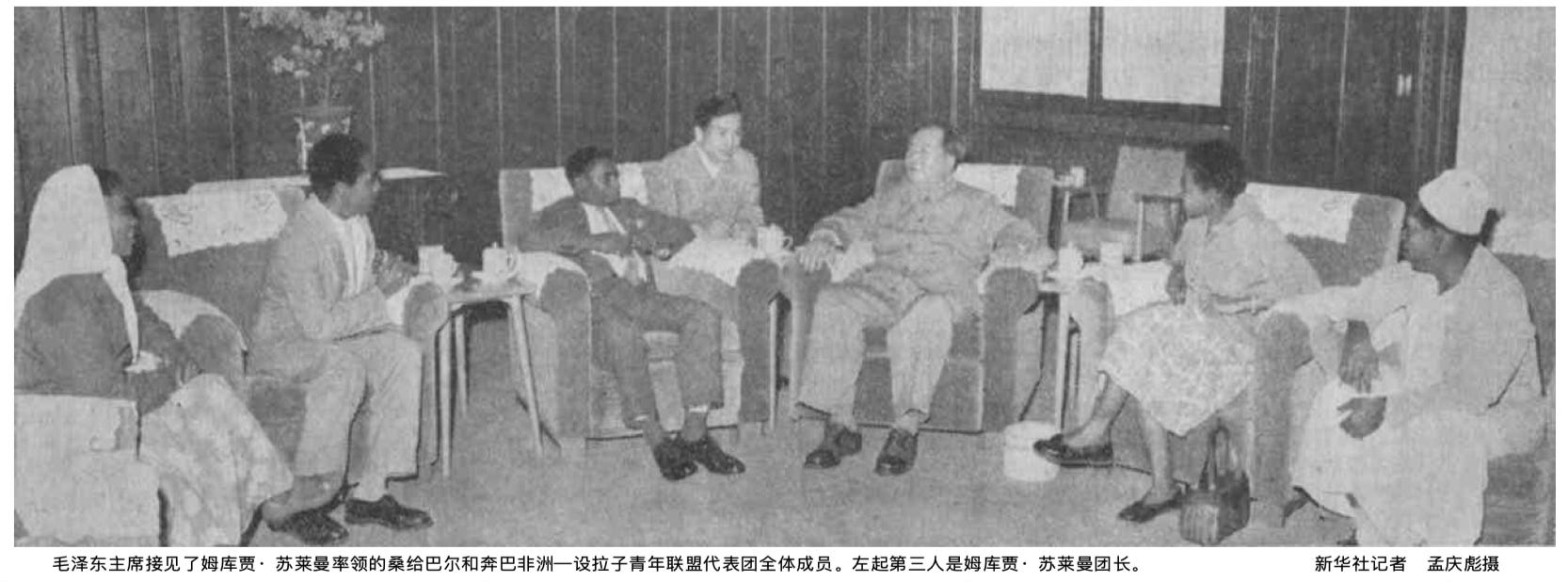
從思想來看,毛主義認為,除非被殖民的人民使用武器發動革命,不然他們不會真正獨立。我們可以說毛主義的思想在當時的時代背景下,支持了非洲的革命。除此之外從50年代起,中國常常邀請非洲革命運動的領導人訪問中國,這讓許多非洲革命的領導人了解獨立國家是什麼,共產體制是什麼。總的來說,非洲領導人的中國行讓他們能夠想像他們國家獨立後的未來。
那麼,為什麼當時中國會這麼關心非洲呢?其中的原因之一是,中國宣稱自己是第三世界的領導人。因此,幫助非洲國家獨立對他們的國際政治目標有利。
至於中國幫助非洲國家的具體做法,除了舉辦中非議題的會議以外,共產黨也提供武器給非洲革命者。不過,中國跟非洲不只是一個意識形態上的合作,也是為了讓中國進入聯合國的外交策略。當時,中華民國政府還在聯合國裡,所以中國認為如果他們幫助非洲革命,這些新的非洲國家會在聯合國支持他們,取代中華民國在聯合國的地位。
最後,關於非洲國家受到毛主義影響的原因。從非洲國家的立場來看,中國在反帝國主義的運動中,佔了一個很重要的地位。在冷戰時期,許多國家還是殖民地的狀態,而中國共產黨建立的政權,給非洲國家提供了一個成功的例子,也讓他們相信能把殖民勢力趕走。
Background of China-Africa solidarity
Today, a lot of people from the West think that China only engages with Africa for business, in reality this is not the case. In fact, current-day China-Africa relations started from the Cold War.
If we look from the aspect of thought, Maoism believes that colonized people won’t reach true independence without armed revolution. Therefore, Maoism under these conditions during that time support African revolutions. In addition, starting in the 50s, China often invited leaders of African revolutionary movements to visit, which made many African revolutionary leaders understand what an independent country is and what the communist system looks like. In general, African leaders’ travel to China made them imagine their own countries’ independent future.
This begs the question, why did China care so much about Africa at that time? One reason among many is that China proclaimed that they are the leader of the Third World so helping African countries gain independence was in the PRC’s interest.
As to how China helped African countries, besides holding China-African conferences, the Communists also provided weapons to African revolutionaries. However, China and Africa weren’t just cooperating under an attitude of friendship, their cooperation was also part of China’s plan to gain admission to the United Nations. At that time, the Republic of China still held a UN seat so China figured if they helped African revolutionaries, these new African governments would also support them in replacing the ROC in the UN.
桑給巴爾「丁香之國」
現在當我們看世界地圖時,在東南非的沿岸看不到桑給巴爾這個名字。原因何在呢?原因在於,桑給巴爾在60年代獨立了以後,就跟坦噶尼喀合併,建立了坦桑尼亚。
首先,我會簡單地說明中國跟桑給巴爾的關係;其次,我會介紹《人民日報》如何用丁香來作為桑給巴爾革命的象徵;最後,是分析為什麼要運用丁香來描述這場革命。
在冷戰時的非殖民化過程中,大多數的非洲人民都希望讓自己的國家成為一個獨立的國家。在他們看來,中國共產黨的革命對他們自己的獨立鬥爭有很大的影響力,因為這個革命更證明了:要想脫離殖民統治,必須透過激烈的武裝革命。桑給巴爾的人民抱著這樣的決心,成功完成了獨立鬥爭。
在桑給巴爾革命發生之後,《人民日報》報道這場革命的經過,同時也刊登一些關於中桑關係的文章。其中值得注意的是,一篇文章以丁香為論述的中心,因為丁香在中國歷史佔了一個很重要的地位,不但在中醫上有重要價值,早在漢代就有應用的記載。而對桑給巴爾來說,丁香則代表「殖民主義者掠奪式的經營」[1],實際上,丁香原來的產地不是桑給巴爾,而是在印尼。
當時,英國和阿拉伯人控制桑給巴爾的政治和經濟,建立了一個相當於奴隸制度的體制來生產丁香,使丁香成為殖民經濟的產品。
《人民日報》透過「人民鬥爭開花結果」[2] 和「他們要把血淚變成芳香,把苦痛變成甜蜜」[3] 。這樣的描述把革命比喻成自然發生的現象,也就是一個必然會發生的現象,我們可以說革命跟開花結果的意像是分不開的。
那麼,為何人民日報選擇以丁香來敘述桑給巴爾的革命?原因在於將革命比喻成一個自然發生的現象,表示中國不但支持桑給巴爾的革命,同時也希望桑給巴爾獨立了以後會跟中國建立很深的關係。
Zanzibar, the “Clove Country”
When we look at a map today, along the southeast coast of Africa we don’t see Zanzibar. Why? Because in the 60s, after Zanzibar gained independence, it united with Tanganiyka to establish Tanzania.
First I will in explain China and Zanzibar’s relationship in simple terms, second I will introduce how The People’s Daily uses cloves as a symbol to represent the Zanzibar Revolution, and finally I will analyze why cloves can be used to describe the Zanzibar Revolution.
During Cold War decolonization, the majority of African countries hoped to make their country into an independent one. In their view, the Chinese Communist Revolution proved: If you want to break away from the colonial system, you must go through a radial armed revolution. The Zanzibar people with this determination successfully completed their struggle for independence.
After the Zanzibar Revolution, The People’s Daily reported on this event while simultaneously publishing articles related to China-Zanzibar relations. Among them, is an article that centers cloves because cloves were very important not only in Chinese medicine but also in Chinese history, with records of its use dating back to the Han Dynasty. Additionally, in the eyes of Zanzibar, cloves represent the “colonial predatory economic structure” [1] because cloves originated not in Zanzibar but in Indonesia.
Before the revolution, England and Arabs controlled Zanzibar’s politics and economy and established a system akin to slavery in order to produce cloves, making cloves into a product of the colonial economy.
The People’s Daily uses “the people’s struggle blossoms and bears fruit” [2] and “they want to turn blood and tears into the fragrant, take the bitter and turn it into sweet.” [3] This describes revolution becoming a naturally-occurring phenomenon while also making revolution seem like a phenomenon that must happen. Therefore revolution and the imagery from a blossoming flower are inseparable.
Then why would The People’s Daily chose cloves to narrate the Zanzibar Revolution? In making revolution seem like a natural thing (ie naturalizing revolution), it expresses that the PRC not only supports the Zanzibar Revolution but at the same time also expresses their hope to establish deep relations with a post-independent Zanzibari.
桑給巴爾的革命揭示帝國主義帶來的災難
在中非團結的義題中,反殖民主義佔了很重要的地位。互相支持反殖民主義的鬥爭,反映在人民日報筆下被描寫成社會主義天堂的桑給巴爾。人民日報也敘述帝國主義侵入桑給巴爾以後帶來的災難。這個部分的重點是《人民日報》如何敘述桑給巴爾的革命不是一個偶然發生的事件,而是恢復桑給巴爾原有美麗的唯一做法。
在討論這個主題之前,我不能不先從桑給巴爾的殖民歷史說起。所謂的殖民主義者都是從歐洲來的嗎?那也不一定。其實,桑給巴爾革命以前的幾個世紀,這個島嶼早已被外來勢力征服,不過這些人不是白人,而是來自阿曼的阿拉伯人。除此之外,印度商人在桑給巴爾的貿易和經濟活動上佔有重要地位。在這樣的背景下,當地社會建立起一種由少數的外來貴族和多數非洲勞工所組成的階級制度。後來,白人的確也殖民過桑給巴爾,特別是因為英國殖民阿曼以後,也透過阿曼的人進一步控制桑給巴爾。因此,這場革命最根本的宗旨就在於把這個帶有種族歧視的社會階級制度徹底推翻,讓桑給巴爾人民重新掌握自己的土地,並改善人民的生活。
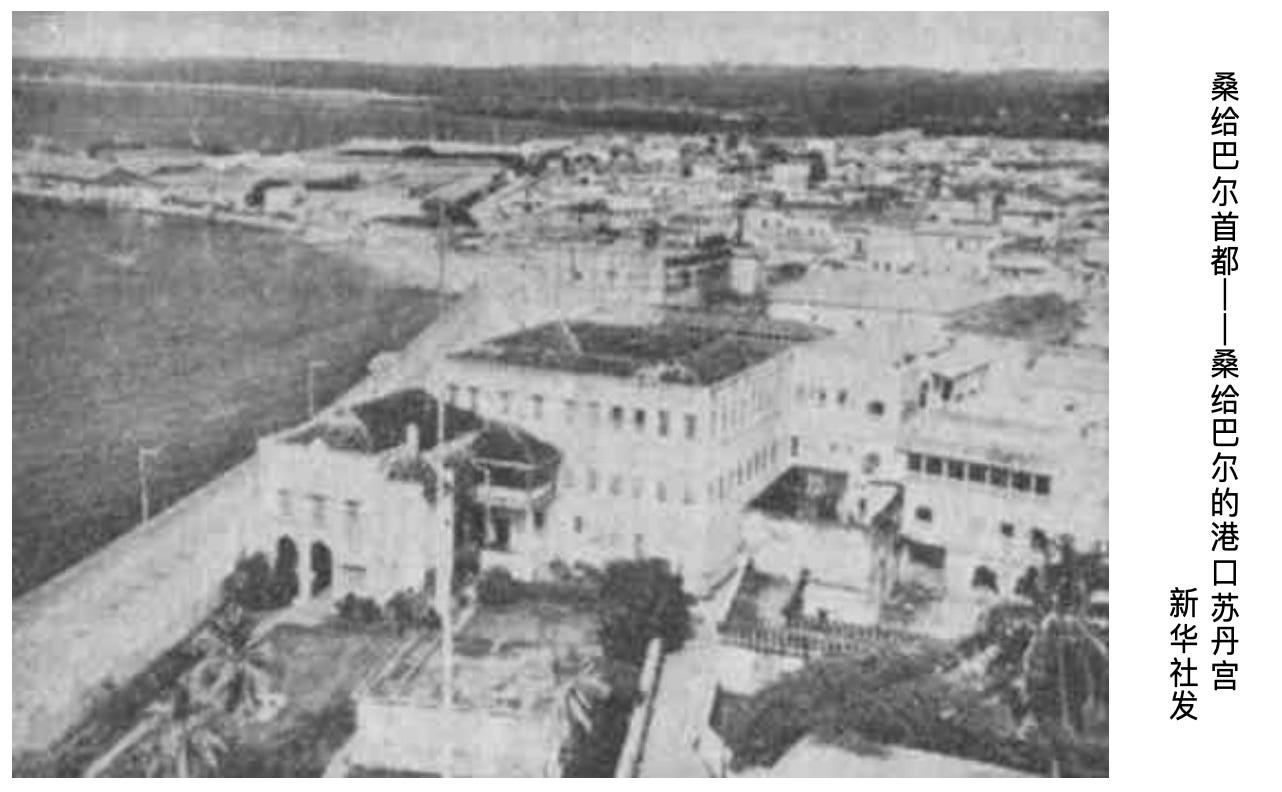
當敘述桑給巴爾的自然條件的時候,《人民日報》用 “肥沃的土地” [4], “廣大的海洋資源” [5], “印度洋上的明珠” [6] 來強調桑給巴爾美麗的大自然。透過這種寫法,桑給巴爾被塑造成一個天堂。相對地,《人民日報》在描述殖民主義時,不外乎是用“疾病” [7] 或“瘟神” [8]這些負面的形象,甚至是非掃除不可的垃圾(真正的說法是“把美國特務和垃圾一起掃除” [9]), “花花綠綠的毒蛇” [10]和一隻“紙老虎” [11]。 《人民日報》之所以把殖民主義者比喻成這些噁心的事物,是為了指出殖民主義對這片土地的破壞,同時也對殖民主義加以批評。與其直接說明殖民主義並不可怕,不如寫“小小的桑給巴爾不怕紙老虎!” [12]
總之,無論《人民日報》如何敘述桑給巴爾和他們的革命,如果用心看,總可以了解《人民日報》如何反映出中非團結的立場。
The Zanzibar Revolution Revealing the Disaster Brought By Imperialism
Anti-imperialism is a very important part of China-Africa relations. Mutual support for anti-imperial struggles is reflected in how The People’s Daily describes Zanzibar as the socialist paradise. The People’s Daily also describes the disaster brought after imperialism invaded Zanzibar. This part is how The People’s Daily narrates the Zanzibar Revolution not as an accident but as the only way to restore Zanzibar’s original beauty.
Before discussing this topic, I must start by explaining Zanzibar’s colonial history. Are all so-called colonizers from Europe? Not necessarily. In fact, the centuries before the Zanzibar Revolution, the foreign power that conquered this island wasn’t from Europe, it was Arabs from Oman. In addition, Indian merchants trading in Zanzibar were also very important. In this situation, the local society established a class system organized through a minority of rich foreigners and a majority of African laborers. After England colonized Oman, white people colonized Zanzibar vis-a-vis the Omanis. As a result, this revolution’s main goal was to overthrow this class-based society rooted in racism to allow Zanzibari people to take control of their own land and improve people’s lives.
When narrating Zanzibar’s natural conditions, The People’s Daily used “fertile land,” [4]“vast marine resources,” [5] and “the pearl of the Indian Ocean” [6] to emphasize Zanzibar’s vast natural beauty. Using this way of writing allowed Zanzibar to be portrayed as a paradise. On the flip side, when The People’s Daily described colonialism as nothing more than a “disease,” [7] “plague demon,” [8] and even “trash that cannot but be swept away,” [9] “colorful venomous snakes,” [10] and a “paper tiger.” [11] The reason why The People’s Daily turns colonialism into these disgusting things is to point out that colonialism ruins the local lands while simultaneously criticizing colonialism. After all, directly writing “colonialism is not something not to be feared” is not as powerful as writing “little Zanzibar must not fear the paper tiger.” [12]
In conclusion, regardless of how The People’s Daily describes the Zanzibar Revolution, if you are attentive, you can understand how the newspaper reflects China-Africa solidarity.
結論
中非團結的現況跟這個歷史有什麼樣的關係?為何要關心人《民日報》如何寫桑給巴爾的革命?我個人的觀點是這些歷史證明中非團結的基礎不是在經濟合作,而是在共同主義的原則,尤其是反帝國主義與第三世界團結。在國內,中國人民看到這些文章以後,會發現毛主義不但對中國社會有很大的影響,也對世界上其他的國家有深刻的影響。現在中非團結從一個以共同立場為主的關係轉變成一個以經濟互助為主的關係。總而言之,了解這個歷史讓我們了解中國現代的作為以及現代中非團結的基礎是從這個歷史出來的。
Conclusion
How does China-Africa solidarity connect to today? Why should we care about how The People’s Daily describes the Zanzibar Revolution? My own opinion is that this history proves that China-Africa relations are not built on economic cooperation but on principles of shared ideology, especially anti-imperialism and Third-Worldism. Within China, after reading these articles, Chinese people would realize that Maoism not only greatly impacts Chinese societies but also the entire world. Now, China-Africa solidarity has changed from a relationship that centers shared ideology and towards one that centers mutual economic cooperation. In conclusion, understanding this history allows us to understand China’s modern actions and that the principles of current-day China-Africa solidarity.
[1]“丁香之国”的丁香,”人民日报,1964年1月18日。
[2] 朱子奇,”致非洲(三首),”人民日报,1964年2月20日。
[3] “吾土吾民,”人民日报,1963年12月13日。
[4] “丁香之国喜迎“乌呼鲁,” 人民日报,1963年12月10日。
[5] Ibid.
[6] Ibid.
[7] Ibid.
[8] 朱子奇,”致非洲(三首)”。
[9] “丁香之国喜迎“乌呼鲁” 。
[10] 朱子奇,”致非洲(三首)”。
[11] Ibid.
[12] Ibid.